

Saving vs Investing: Understanding the Difference
Introduction
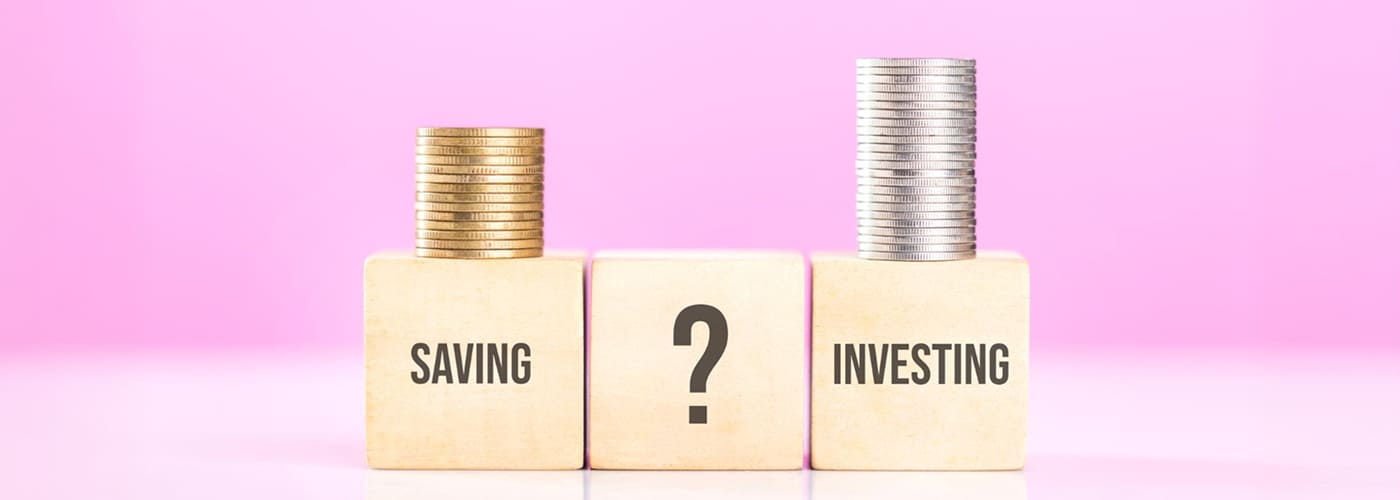
When people start thinking seriously about managing their money, two terms often appear in financial discussions: saving and investing. Both are important parts of personal finance, and both play a role in building financial security. However, many people use these terms interchangeably without fully understanding how they differ.
While saving and investing share a common goal—helping people build financial stability—they serve different purposes and involve different levels of risk and time commitment.
Understanding when to save and when to invest can make a meaningful difference in how effectively someone manages their finances. With the right balance between the two, individuals can prepare for short-term needs while also building long-term financial growth.
What Saving Means
Saving generally refers to setting aside money in a safe and easily accessible place. The primary goal of saving is to preserve money rather than grow it significantly.
Savings are typically stored in accounts designed to keep funds secure while remaining available when needed. These accounts often provide modest interest, but the main advantage is stability and accessibility.
People usually save money for short-term goals or unexpected expenses. Common reasons for saving include:
- Emergency funds
- Upcoming bills or planned purchases
- Travel or personal goals
- Financial cushions for unexpected situations
Because savings are meant to remain stable, they are usually kept in places where the risk of losing money is extremely low.
The Purpose of Investing
Investing, on the other hand, focuses on growing money over time. Instead of simply storing funds, investing involves placing money into assets that have the potential to increase in value.
These assets may include stocks, bonds, mutual funds, or other financial instruments. While investments offer opportunities for growth, they also involve some level of risk.
The value of investments can fluctuate due to market conditions, economic changes, or company performance. However, over long periods of time, many investments historically provide higher returns than traditional savings.
People usually invest money that they do not need immediately. The goal is to allow those funds to grow gradually over years or even decades.
The Role of Risk
One of the main differences between saving and investing is risk.
Savings are designed to protect money. Because they are typically stored in stable accounts, the chances of losing the original amount are very low. This makes saving ideal for funds that may be needed in the near future.
Investing, however, carries varying degrees of risk. Market conditions can cause investment values to rise or fall over time.
While risk may sound intimidating, it is also what creates the opportunity for higher returns. Long-term investors often accept some level of risk in exchange for the possibility of greater financial growth.
The key is understanding how much risk is appropriate based on individual financial goals and timelines.
Time Horizon Matters
Another major difference between saving and investing involves time horizon.
Savings are usually intended for short-term needs. Money that might be required within a few months or years is generally better suited for savings accounts where it remains easily accessible.
Investing is typically more suitable for long-term goals. Because investments can fluctuate in value, they benefit from having more time to recover from market changes.
Long-term investment strategies often focus on goals such as:
- Retirement planning
- Wealth building
- Education funding
- Long-term financial security
The longer money remains invested, the more time it has to benefit from potential growth.
Liquidity and Accessibility
Liquidity refers to how easily money can be accessed when needed.
Savings accounts usually offer high liquidity. Funds can often be withdrawn quickly and without significant penalties. This accessibility makes savings useful for emergencies or unexpected expenses.
Investments, however, may not always provide the same level of immediate access. Some investments require time to sell or may involve fees if funds are withdrawn too quickly.
Because of this difference, financial planners often recommend keeping emergency funds in savings while using investments for long-term growth.
Balancing accessibility and growth is an important part of financial planning.
Why Both Saving and Investing Are Important
Rather than choosing between saving and investing, most people benefit from using both strategies together.
Savings provide stability and security. They ensure that money is available when unexpected situations arise.
Investments provide growth potential. They allow money to increase in value over time, helping individuals build long-term financial strength.
Without savings, unexpected expenses may force individuals to rely on debt. Without investing, money may lose purchasing power over time due to inflation.
Combining the two strategies helps create a balanced financial approach.
Inflation and Its Impact
Inflation refers to the gradual increase in prices over time. As the cost of goods and services rises, the purchasing power of money can decrease.
Savings accounts often offer relatively low interest rates. While they protect money from loss, they may not always keep pace with inflation.
Investments, on the other hand, offer opportunities to outpace inflation through long-term growth.
This is one reason many financial experts encourage individuals to invest part of their savings once they have established an emergency fund.
Investing helps protect the long-term value of money while savings maintain short-term stability.
When to Save First
Before beginning to invest, it is generally wise to focus on building basic financial stability.
This often includes:
- Creating an emergency fund
- Paying off high-interest debt
- Establishing consistent budgeting habits
Once these foundational elements are in place, investing can become a natural next step in financial planning.
Starting with savings ensures that investments are not interrupted by short-term financial needs.
Developing a Balanced Financial Strategy
Every person’s financial situation is unique. Income levels, financial goals, risk tolerance, and time horizons all influence the right balance between saving and investing.
A balanced strategy may include:
- Maintaining emergency savings for financial security
- Investing gradually for long-term growth
- Reviewing financial plans regularly as circumstances change
By understanding the different roles of saving and investing, individuals can make more confident financial decisions.
Financial stability often comes from thoughtful planning rather than quick decisions.
Conclusion
Saving and investing are both essential tools for building financial security. While saving focuses on protecting money and preparing for short-term needs, investing aims to grow wealth over time.
Understanding the differences between the two allows individuals to make better financial choices and create balanced financial strategies.
Savings provide safety and accessibility. Investments provide long-term growth potential.
When used together thoughtfully, they create a strong foundation for financial stability and future success.