
Most gadgets don’t stay part of daily life for long. People buy them, try them out for a bit, and then stop using them. They don’t break. They just stop feeling useful.
The gadgets that stay are usually the quiet ones. The ones that don’t ask for attention. The ones that simply make everyday things a little easier.
The Ones That Stick Around
A useful gadget doesn’t feel special after a while. That’s not a bad thing, though.
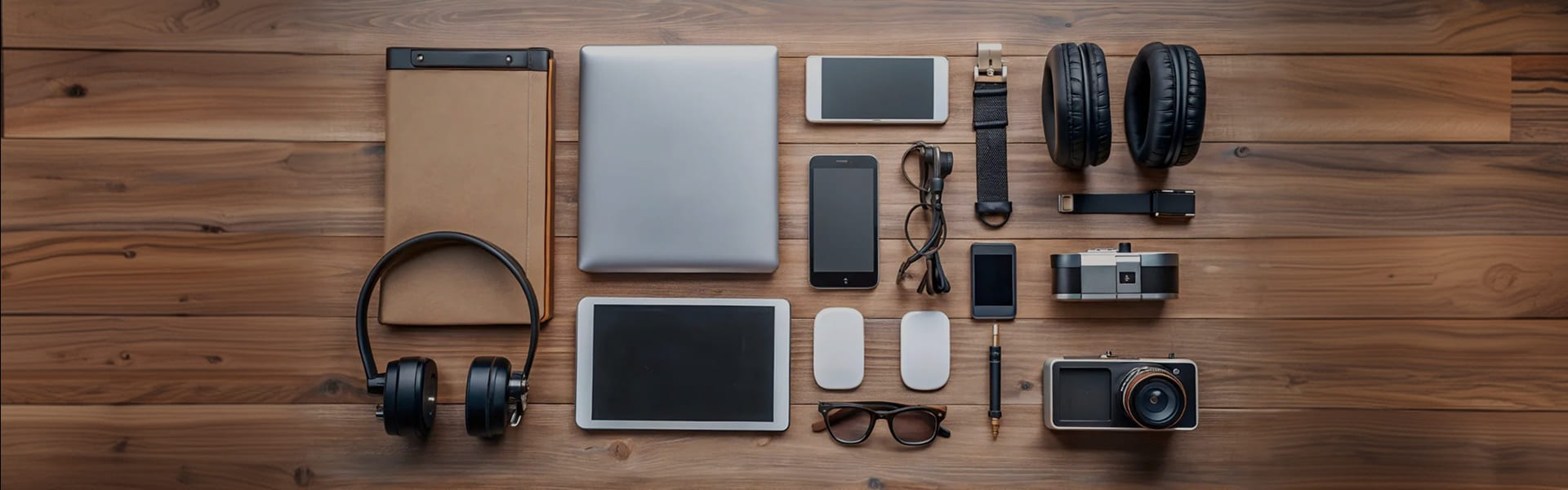
Wireless earphones show how this works in real life. People don’t think about the tech inside them. They just put them on for calls, music, or quick meetings. No wires to deal with. No setup every time. They just work.
Fast chargers and power banks fall into the same category. They don’t change your routine. They just remove that small stress of a dying battery.
Comfort Is More Important Than New Features

Many devices fail because they make an excessive effort. Too many features. Too many settings. There are too many apps to install. Most people have no interest in learning how a device works. They want it to feel comfortable.
A mouse that doesn’t hurt your hand after long hours. A keyboard that feels right when you type. A phone stand that makes video calls less awkward. These aren’t exciting things to buy, but once you start using them, you notice the difference every day.
Small Fixes Make a Big Difference
Daily life isn’t full of big problems. It’s full of small ones. Some days, even simple things feel tiring. Cleaning gets delayed, small tasks feel repetitive, and too much noise makes it hard to focus for long.
A few gadgets help a little with that. It’s not a huge change, just a small one.
The robot vacuum helps a bit. Headphones make it easier to focus. The watch gives a few reminders here and there. At first, these things don’t feel necessary. At first, these things feel optional. Later, they start to feel normal.
When Smart Features Actually Help
Not everything needs to be smart. But sometimes, simple smart features are useful.
A light that turns off on its own at night. A speaker who sets a timer while your hands are busy. A doorbell that lets you check who’s outside without rushing.
These work because they stay in the background. The moment a gadget starts demanding attention, people lose interest.
Why People Stop Using Gadgets
Most gadgets don’t fail because they stop working. They fail because they become annoying. If something needs constant updates, fixing, or explaining, people stop caring. In a typical day, there is already enough to handle. People tend to stick with simple devices.
What Makes a Gadget Worth Keeping
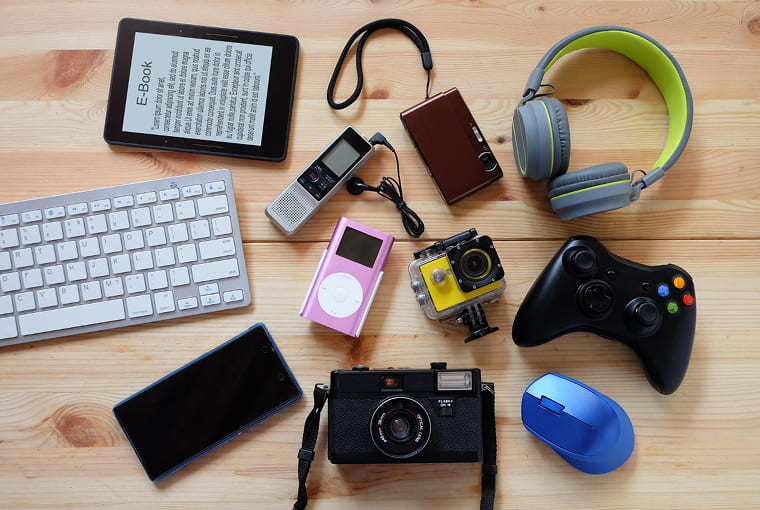
A good gadget doesn’t change your life overnight. It just fits into it. It saves a little time. It removes a small frustration.
These devices are not very demanding. They are not really discussed or flaunted. They only become aware of their disappearance. That’s usually how you know something was actually useful.