

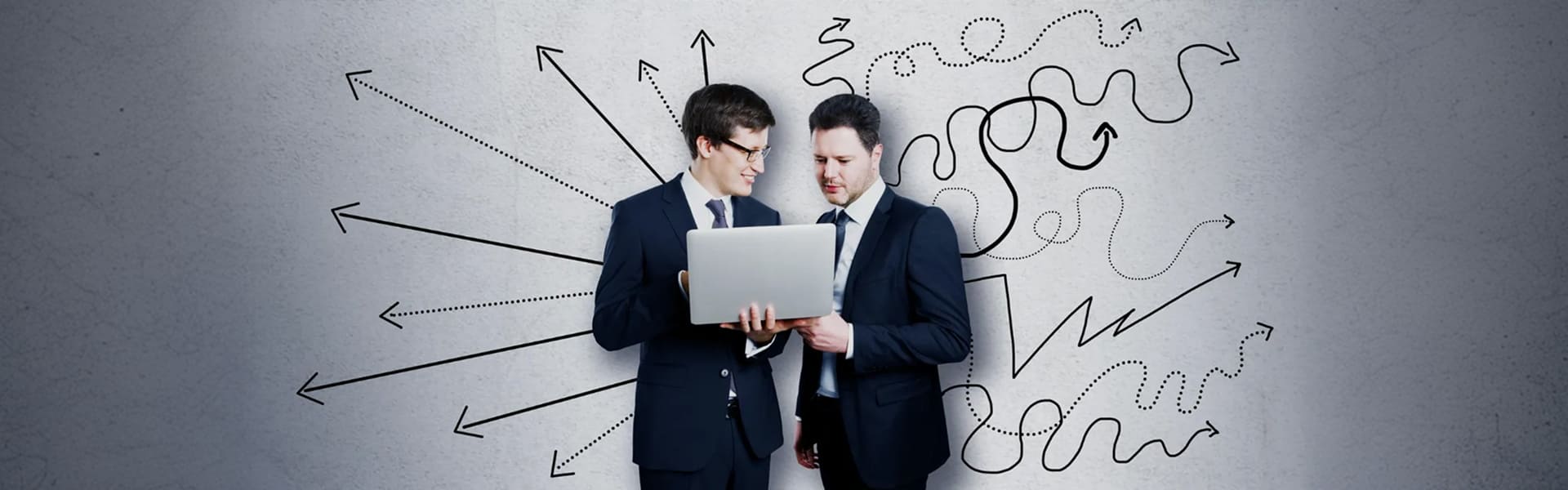
People mix these two up all the time. Someone opens a shop or launches a service and immediately calls it a startup. Someone else builds an app and says they’re running a small business. On the outside, both look similar. But they’re not the same thing.
The difference usually shows up in how people expect the business to behave. A small business is usually built to work. A startup is built to grow.
It sounds basic, but it matters. Most small businesses are started to make regular money and keep things running. Not someday, instead “Now”. The goal is simple: get customers, keep them, pay bills, and keep things running without constant stress.
Growth is nice, but it’s not the obsession. If the business supports the owner and stays stable, that’s success.
Startups don’t work like that.

Startups usually begin with an idea that’s meant to scale. The early days are messy on purpose. Things change often. What starts as one idea might turn into something completely different within months. Stability isn’t the goal at the start; “Speed” is. This is also why money works differently in both. Small businesses need money coming in early. They depend on it. Rent, salaries, and tools – none of that waits. If cash stops, the business feels it immediately.
Startups often spend money before they make any. Sometimes for a long time. They bet on growth, covering those costs later. That’s why start-ups talk so much about funding, while small businesses talk about revenue.
The way decisions are made also feels different.
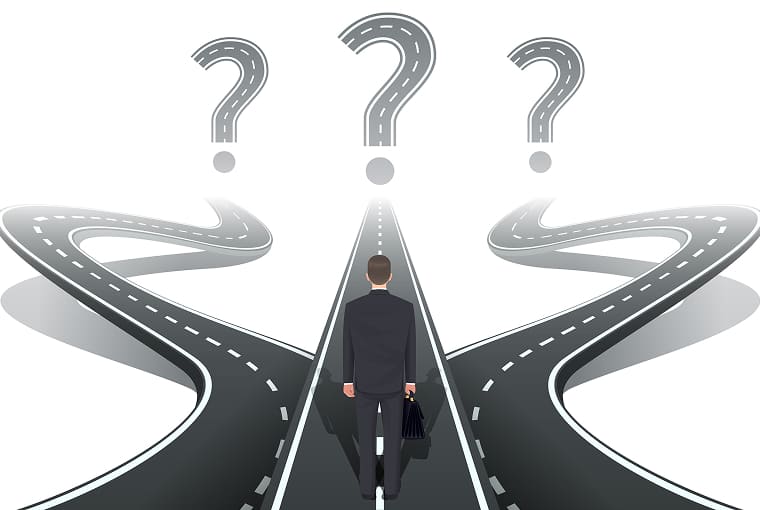
Small business decisions are usually practical. What helps customers right now?
What keeps things simple? What avoids unnecessary risk?
Startup decisions are more experimental. What can be tested quickly? In start-ups, people usually ask different questions. Will this work if more people use it? And if it doesn’t work, what kind of mess are you ok handling?
There’s not a single right answer here. They just lead to different results. Trouble starts when the two get mixed up. Some small businesses push for fast growth without having the setup to support it. At the same time, some startups slow themselves down because they’re trying too hard to stay safe.
When these two approaches get mixed up, things usually start feeling heavy. Decisions get harder. Expectations stop matching what’s actually happening. It really depends on what you’re trying to get out of it. Some people just want stability, regular income, and a bit more control. That usually looks like a small business.
Others are okay with uncertainty and fast change if it means growth. That’s closer to a start-up.