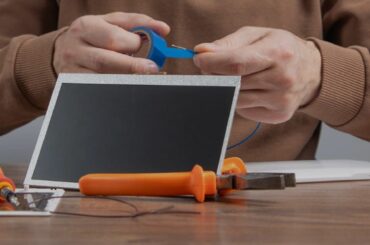


There is never a single thought in my mind about the environment when I buy a gadget. I am always more concerned about its speed, responsiveness, updates, specifications, and more like that. That’s usually how most people buy gadgets, not keeping environmental things in mind. They just want a clean and modern gadget.
Just a shiny box and something new to use. But that’s just a single side of a coin.
Where Gadgets Come From Is Easy to Ignore
A gadget looks simple when it’s in your hand. What you don’t see is everything that happened before it got there. Materials had to be pulled out of the ground. Factories had to run for long hours. Parts had to move across cities and countries.
By the time a device arrives at a store, a significant amount of power has already been consumed. It doesn’t really register since we don’t see anything. It just feels like another purchase.
We Replace Things Faster Than We Used To
One thing that’s changed over the years is how quickly gadgets are replaced.
Phones still work, but newer ones feel tempting. Chargers stop working, so they’re tossed aside. Headphones break on one side, and it suddenly feels easier to buy new ones than fix the old pair. Right now, none of this seems dangerous. However, these little choices pile up over time.
Old gadgets don’t vanish or get recycled in a day. They sit in drawers. They get thrown away. Some are recycled properly, many aren’t. And once electronics break down, they don’t always leave the environment untouched.
Fixing Things Isn’t Simple Anymore
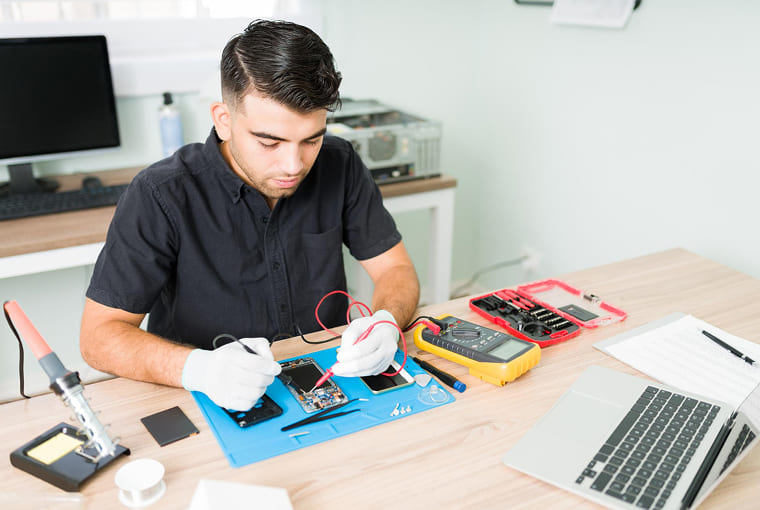
There was a time when repairing a gadget felt normal. That doesn’t feel true anymore. Batteries are sealed. Parts are hard to find. Repairs cost almost as much as replacement. So, people move on, even when only one small thing has gone wrong.
It slowly turns gadgets into disposable items, even though they’re made from materials that aren’t disposable at all.
Even the Small Stuff Adds Up
It’s not just phones or laptops. Boxes, plastic wrapping, extra cables, and adapters we never use – all of it adds to the pile. Individually, these things don’t feel important. Together, they matter more than we think.
Most of us don’t buy gadgets with waste in mind. We just deal with it later.
People Are Starting to Think Differently
There’s been a small shift, though. Some people keep their devices longer now. Others look for refurbished options. A few try to repair before replacing.
You might be thinking that these changes are neither big nor dramatic, but you need to understand that they surely help in small ways.
Yes, you read it right! Even waiting a little longer before upgrading can make a difference over time.
It’s not really about giving up gadgets completely.
Most of us rely on them anyway. It’s more about slowing down for a moment before buying something new. Before investing in a new gadget, just ask yourself if you really need it right now, or if the one you already have can still be used. Or, perhaps, give consideration to the thought of what will happen to the gadget when you are done using it.
A Different Way to Look at Gadgets

Gadgets make daily life easier, and that’s not a bad thing. But they also carry a cost we don’t see when we’re standing at a checkout counter.
The environmental impact of gadget consumption isn’t caused by one big decision. It is shaped by everyday habits that we hardly think about. And sometimes simply thinking about it is the first step. Isn’t it?