

A few years back, AI came up in discussions like anything. Either it was going to change everything overnight, or it was going to take jobs. There wasn’t much in between. In reality, the shift hasn’t been loud at all. No sudden shift was there!
AI didn’t replace people overnight. It didn’t arrive all at once. It showed up slowly, through small changes in tools people were already using. Most people think “AI jobs” mean engineers or data scientists. In reality, AI is already sitting inside the tools people use daily.
That email filter decides what’s important? AI. Does the customer chat window reply instantly? AI. The software that flags errors in reports or suggests better wording? Also AI. Many employees don’t call it artificial intelligence. They just call it “the system” or “the tool.” That’s why the change feels invisible.
The work just looks different now.
Most jobs are still there. It’s the smaller, routine parts that have changed first. The boring parts, mostly.
In many teams, the routine parts of the job don’t take up as much time anymore.
Support staff aren’t stuck answering the same questions all day, HR teams spend less time sorting resumes, and number-heavy work is often checked by systems before a human even looks at it. The role stays the same on paper. The work inside it changes.
Even Non-Tech Jobs Are Feeling the Impact
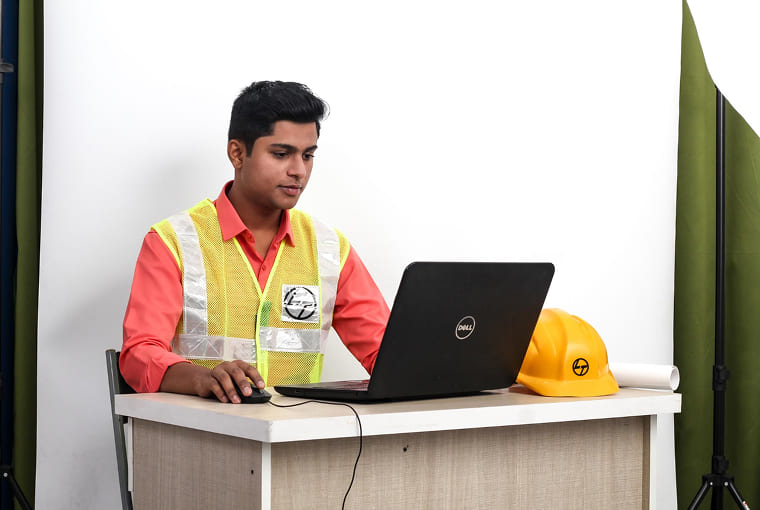
This isn’t just an office thing either. You see it in places like warehouses, where systems quietly handle stock levels in the background. In transportation, it suggests better routes. In retail, it predicts what products will sell faster. Even technicians and operators now work alongside dashboards that guide decisions.
People are still doing the work. They’re just doing it alongside systems that move much faster than they do.
Here’s the part no one talks about much
When work gets faster, expectations rise. If something takes ten minutes instead of an hour, managers start expecting more output. AI definitely makes things faster.
It also means people are expected to move faster and figure things out as they go.
Some manage it well. Others find it exhausting. Those who adapt feel empowered. Those who don’t feel left behind.
The Skills That Matter Are Changing
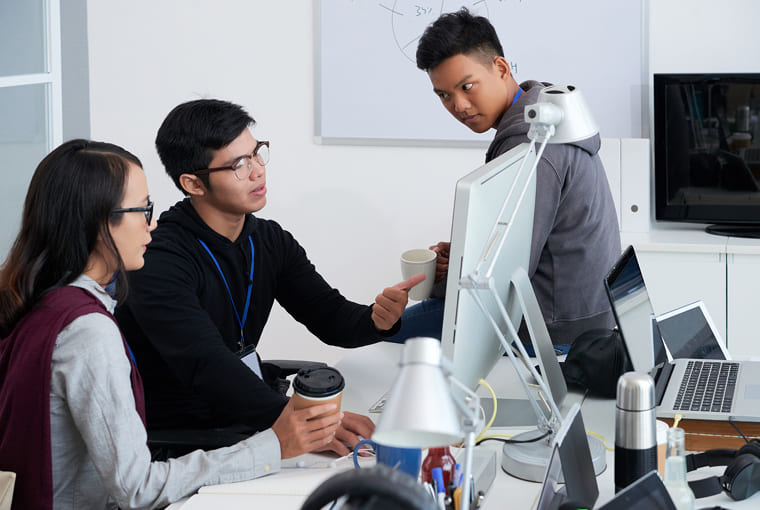
Nobody expects everyone to learn coding or machine learning. Most people don’t need to understand how AI works under the hood. They just need to know when the output makes sense and when it doesn’t. AI can suggest. Humans still decide.
That balance is where most modern jobs are headed.
What This Really Means
AI isn’t loudly changing jobs. It’s quietly reshaping how work feels. Less repetition. More tools. Higher expectations. Different skills. The people who notice the shift early tend to adjust better. The ones who ignore it usually feel surprised later.
AI isn’t really replacing everyday jobs. What it’s doing is changing how work gets done, often without people even noticing.