The Environmental Impact of Gadget Consumption
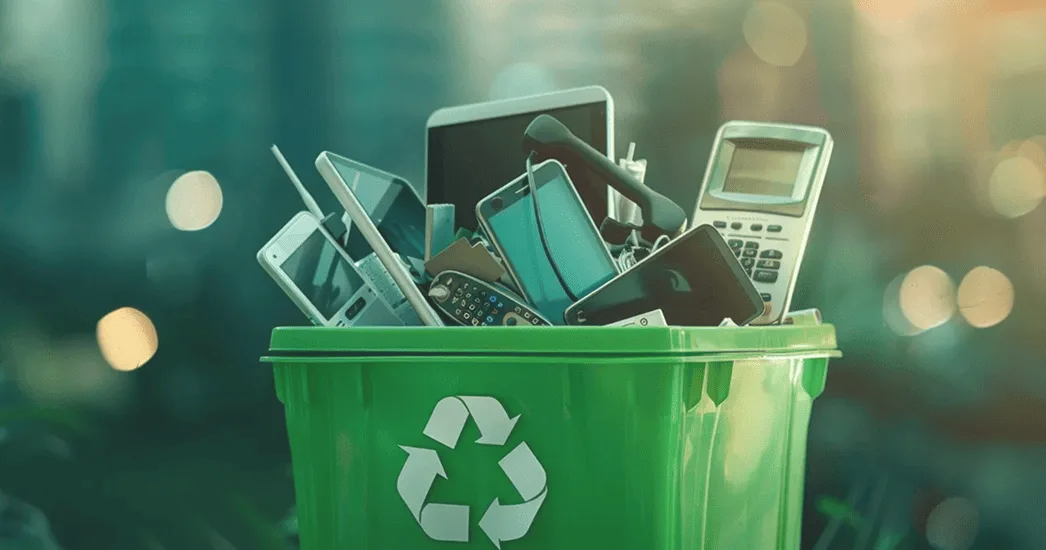
There is never a single thought in my mind about the environment when I buy a gadget. I am always more concerned about its speed, responsiveness, updates, specifications, and things like that. That’s usually how most people buy gadgets. They aren’t necessarily thinking about the environmental impact; they simply want something clean, modern, and useful.
Just a shiny box and something new to use. But that’s only one side of the coin.
Where Gadgets Come From Is Easy to Ignore
A gadget looks simple when it’s in your hand. What you don’t see is everything that happened before it got there. Materials had to be pulled out of the ground. Factories had to operate for long hours. Parts had to move across cities, countries, and sometimes continents.
By the time a device arrives at a store, a significant amount of energy and resources has already been consumed. It doesn’t always register because we don’t see any of that process. To us, it simply feels like another purchase.
Before a gadget reaches you, its journey can involve:
- Mining and processing raw materials
- Manufacturing electronic components
- Running factories and production facilities
- Transporting parts between suppliers and manufacturers
- Packaging and shipping finished products to stores and customers
We Replace Things Faster Than We Used To
One thing that’s changed over the years is how quickly gadgets are replaced. Phones still work, but newer ones feel tempting. Chargers stop working, so they’re tossed aside. Headphones break on one side, and it suddenly feels easier to buy a new pair than repair the old one. None of this seems particularly dangerous at the moment. However, these little choices pile up over time.
Old gadgets don’t simply vanish or get recycled in a day. They sit in drawers. They get thrown away. Some are recycled properly, while many aren’t. And once electronics begin to break down, they don’t always leave the environment untouched.
Fixing Things Isn’t Simple Anymore
There was a time when repairing a gadget felt normal. That doesn’t feel as true anymore. Batteries are sealed. Replacement parts can be difficult to find. Repairs can cost almost as much as buying a replacement. As a result, people move on even when only one small thing has gone wrong.
It slowly turns gadgets into disposable items, even though they’re made from materials that aren’t disposable at all.
Some common reasons people replace rather than repair gadgets include:
- Sealed or difficult-to-replace batteries
- Limited availability of replacement parts
- High repair costs
- Short software-support periods
- The convenience of simply buying a newer device
Even the Small Stuff Adds Up
It’s not just phones or laptops. Boxes, plastic wrapping, extra cables, adapters, and accessories we never use all add to the pile. Individually, these things don’t feel particularly important. Together, they matter more than we think.
Most of us don’t buy gadgets with waste in mind. We simply deal with it later.
People Are Starting to Think Differently
There has been a small shift, though. Some people keep their devices longer now. Others look for refurbished options. A few try to repair their gadgets before replacing them.
You might think these changes are neither big nor dramatic, but small changes can still make a meaningful difference over time. Even waiting a little longer before upgrading can help. It’s not really about giving up gadgets completely. Most of us rely on them anyway. It’s more about slowing down for a moment before buying something new.
Before investing in another gadget, it may be worth asking yourself:
- Do I really need this gadget right now?
- Can the device I already own still do what I need?
- Can my current device be repaired instead of replaced?
- Would a refurbished device be a suitable alternative?
- What will happen to this gadget when I’m finished using it?
A Different Way to Look at Gadgets
Gadgets make daily life easier, and that’s not a bad thing. But they also carry a cost we don’t see when we’re standing at a checkout counter or clicking the “Buy Now” button.
The environmental impact of gadget consumption isn’t caused by one big decision. It is shaped by everyday habits that we hardly think about. Sometimes, simply thinking about those habits is the first step toward changing them.
Recent Blogs

Why Cybersecurity Is No Longer Optional for Any Business
Cybersecurity is no longer just a concern for large corporations. Every business using digital systems now faces real security risks and responsibilities.
Gadgets That Actually Improve Daily Life
The gadgets people keep are often simple, quiet, comfortable, and useful enough to remove small daily frustrations without demanding attention.

Small Business vs Startup: What’s the Difference?
Small businesses and startups may look similar, but they operate with completely different goals, growth expectations, and business strategies.

The Biggest Tech Myths Businesses Still Believe
Common tech myths businesses still believe can quietly waste time, weaken systems, and stop teams from using technology effectively.

Why Many Businesses Fail Even With a Good Product
A good product alone is rarely enough for business success. Many companies fail because of weak visibility, poor operations, bad timing, or lack of adaptability.
Do AI Tools Actually Save Time for Small Businesses?
AI tools are changing how small businesses handle repetitive tasks, communication, and admin work. Some tools save time quietly while others create extra work.