A few years ago, conversations about AI were usually extreme. Either it was going to change everything overnight, or it was going to take everyone’s jobs. There wasn’t much room for anything in between. In reality, the shift hasn’t been loud at all. There was no sudden transformation. AI didn’t replace people overnight, and it didn’t arrive all at once. It showed up gradually through small changes in tools people were already using.
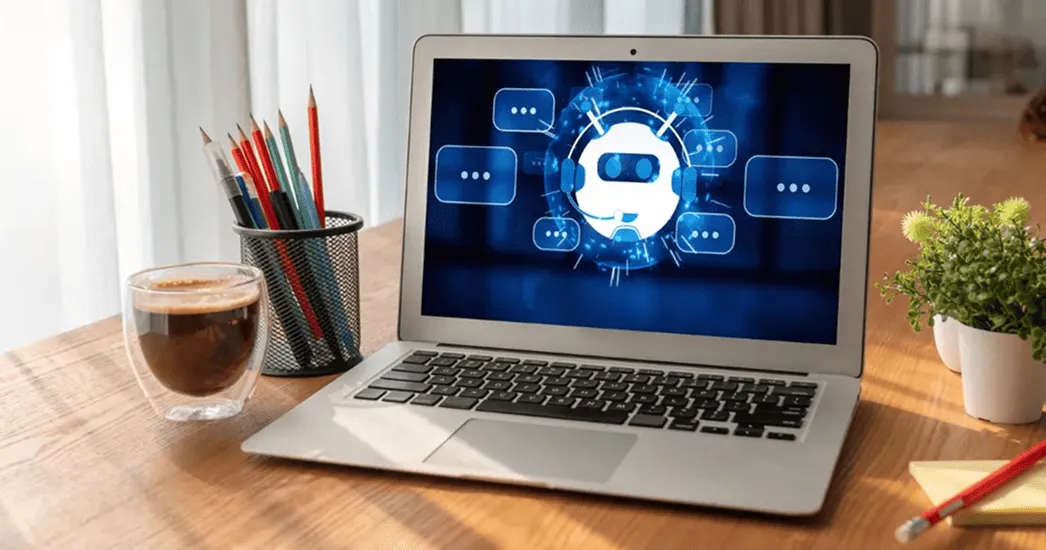
Most people hear the phrase “AI jobs” and think about engineers, developers, or data scientists. In reality, AI is already built into many of the tools people use every day. That email filter deciding what looks important? AI. The customer chat window replying instantly? AI. Software that flags errors in reports or suggests better wording? Also AI.
Many employees don’t even call it artificial intelligence. They just call it “the system” or “the tool.”That’s one reason the change can feel almost invisible.The work just looks different now.
Most Jobs Are Still There
Most jobs are still there. It’s the smaller, more repetitive parts of those jobs that have changed first.
The boring parts, mostly.
In many teams, routine tasks simply don’t take as much time as they used to.
For example:
- Support staff can spend less time answering the same basic questions repeatedly
- HR teams can use software to help organise and review large numbers of applications
- Finance teams can use automated systems to flag unusual numbers or possible errors
- Writers and marketers can use AI to create first drafts, summaries, or ideas
- Administrative teams can automate repetitive data entry and routine documentation
The role may stay the same on paper, but the work happening inside that role begins to change.
Even Non-Tech Jobs Are Feeling the Impact
This isn’t just an office trend either.
In warehouses, automated systems can quietly monitor stock levels and help predict when products need to be reordered. In transportation, software can suggest more efficient routes. In retail, systems can help predict which products may sell faster.
Technicians, operators, managers, and frontline workers are also increasingly working alongside dashboards and automated tools that help guide decisions.
People are still doing the work. They’re simply doing it alongside systems that can process certain types of information much faster.
Here’s the Part No One Talks About Much
When work gets faster, expectations often rise with it.
If something that once took an hour can now be completed in ten minutes, managers may start expecting more output during the same working day.
AI can definitely make certain tasks faster, but that speed comes with another side.
People may also be expected to:
- Handle more tasks in less time
- Learn new tools quickly
- Review AI-generated work carefully
- Make decisions faster
- Adapt when workflows suddenly change
Some people manage that transition well. Others find it exhausting.
Those who adapt to the new tools may feel more capable and productive. Those who struggle to keep up can feel as though the workplace is moving faster than they are.
The Skills That Matter Are Changing
This doesn’t mean everyone suddenly needs to learn coding, machine learning, or data science.
Most people don’t need to understand exactly how AI works under the hood. What matters more is knowing how to use the tools properly and how to judge their output.
Increasingly useful workplace skills include:
- Knowing how to give AI clear instructions
- Recognising when an AI-generated answer looks wrong
- Checking important facts instead of trusting output blindly
- Understanding context that automated systems may miss
- Making decisions based on human judgment rather than suggestions alone
- Learning how to combine AI tools with existing job skills
AI can suggest. Humans still have to decide.
That balance is becoming an important part of many modern jobs.
What This Really Means
AI isn’t necessarily changing everyday jobs in a loud or dramatic way. In many cases, it is quietly reshaping how work feels.
Less repetition. More tools. Faster workflows. Higher expectations. Different skills.
The people who notice the shift early usually have more time to adjust. Those who ignore it may only realise how much their work has changed after the new systems have already become normal.
AI isn’t simply replacing everyday jobs. More often, it is changing how those jobs are performed, one small task at a time.