How Gadgets Are Becoming Smarter but Less Repairable
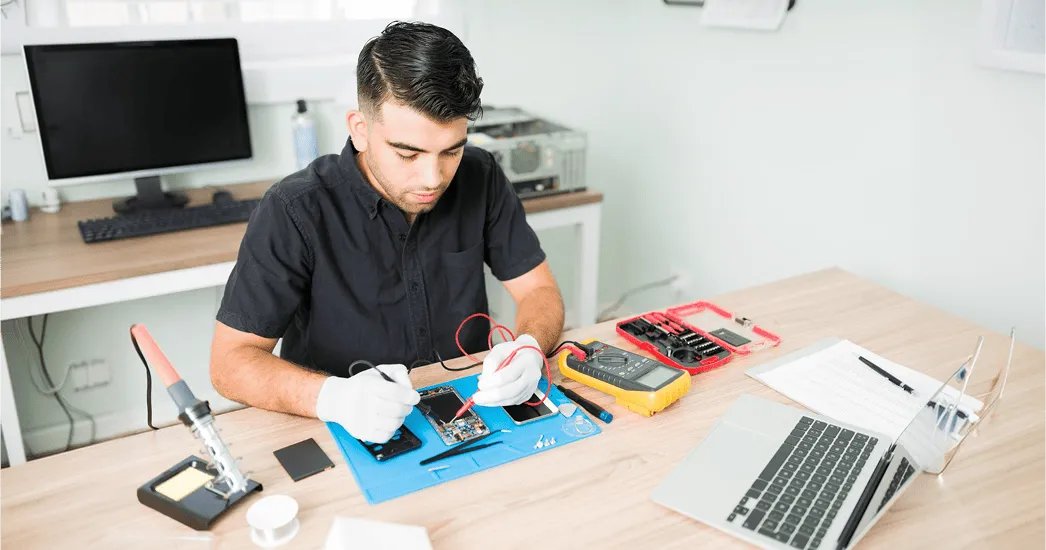
Today's devices are more intelligent than ever. Using your eyes or face, you can unlock phones. Watches monitor sleep. Apps are now available for even the most basic household items. Everything seems speedier and simpler to operate at first glance. However, people typically only become aware of this change when something goes awry.
Modern gadgets are intended to appear sleek and seamless. There are no visible screws or removable backs; everything is sealed tightly.
That design looks great and often helps devices feel lighter and more solid. But it also means opening them up is no longer simple. Something as small as a battery issue can turn into a full replacement decision.
In the past, a problem often meant a quick repair. Today, it often means a visit to a service center or giving up altogether.
When Small Problems Become Big Ones
Many gadgets don’t stop working completely. They fail in small ways.
Common examples include:
- The battery life of a phone decreases
- A charging connector loosens
- One button quits working
It indicates that although the gadget is still functional, it is not as comfortable as it once was.
The annoying thing is that these minor problems are frequently difficult to resolve.
Common repair challenges include:
- Parts aren’t easy to access
- Replacement components aren’t always available
- Repair costs can feel unreasonably high
So people start asking themselves a simple question: “Is it worth fixing, or should I just buy a new one?”
Repairs Are No Longer the Obvious Choice
For many people, repair used to be the first option. Now it often feels like the last.
Some of the reasons include:
- Some gadgets are glued shut
- Others require special tools
- Third-party repairs aren’t always encouraged
- Official repairs can cost almost as much as a replacement
This pushes people toward upgrading sooner than they planned. Not because they want something new, but because fixing the old one feels like a hard nut to crack.
Software Plays a Role Too
It’s not just hardware.
Software-related problems may include:
- Updates slowing down older devices
- Older devices losing software support
- Apps requiring newer versions
- Security updates no longer arriving
Even if the hardware still works, the experience slowly degrades. Over time, the gadget feels outdated, even if nothing is physically broken.
This makes devices feel disposable, even when they still have years of potential use left.
Why This Is Worth Thinking About
At first, this feels like a convenience issue. But it slowly adds up.
When gadgets are harder to repair, they’re replaced more often. That can mean:
- More production
- More electronic waste
- More discarded devices sitting unused or being thrown away
From a user's point of view, it also means less control. People become dependent on manufacturers for:
- Repairs
- Software updates
- Replacement parts
- Decisions about when a device’s life is effectively over
People Are Starting to Notice
More people are starting to question this trend.
Some are responding by:
- Looking for repair-friendly brands
- Choosing refurbished devices
- Holding onto their gadgets longer
- Working around minor issues instead of replacing devices
These aren’t loud movements. Most people make these choices without thinking too much about it.
Convenience vs Control
There’s no denying that smarter gadgets make life easier. Features like automation, tracking, and connectivity genuinely help.
But as gadgets become smarter, users often lose the ability to:
- Fix their devices
- Modify them
- Extend their useful life
The balance slowly shifts from user control to manufacturer control.
That’s not always obvious at the time of purchase, but it becomes clear later.
Something to Consider
Smart technology isn't the issue. The problem is not progress.
Whether convenience should always come at the expense of reparability is the true question. And whether having some control over a device's lifespan should still be a part of owning one.
There are no short answers to these questions. However, they should be considered the next time a "small issue" necessitates a replacement choice.
Recent Blogs

Why Cybersecurity Is No Longer Optional for Any Business
Cybersecurity is no longer just a concern for large corporations. Every business using digital systems now faces real security risks and responsibilities.

Gadgets That Actually Improve Daily Life
The gadgets people keep are often simple, quiet, comfortable, and useful enough to remove small daily frustrations without demanding attention.

Small Business vs Startup: What’s the Difference?
Small businesses and startups may look similar, but they operate with completely different goals, growth expectations, and business strategies.

The Biggest Tech Myths Businesses Still Believe
Common tech myths businesses still believe can quietly waste time, weaken systems, and stop teams from using technology effectively.

Why Many Businesses Fail Even With a Good Product
A good product alone is rarely enough for business success. Many companies fail because of weak visibility, poor operations, bad timing, or lack of adaptability.
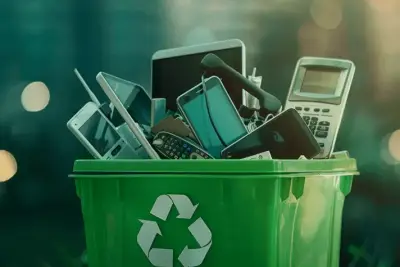
The Environmental Impact of Gadget Consumption
Gadget consumption affects the environment through production, waste, repairs, packaging, and everyday buying habits that often go unnoticed.